Print This Post Print This Post
20
May

Week 8: Submarines and waterfalls

   Posted by: R   in South Korea

We caught our first train in Korea to Jeongdongjin, a beach resort town where we stayed in a hotel overlooking the beach and the train station. Crowds of high school girls flocked to the station which apparently featured in episodes of a popular TV drama. They almost all had the same haircut – straight fringe and a shoulder length bob that curled slightly under at the ends. Middle aged women tend to go for short, curly hair and we’re wondering if women simply go into the hairdresser, state their age and get the appropriate haircut?

The North Korean submarine at Unification Park had an interesting story. In 1996 in an incident which the South Korean sign said “was a great shock to us and incurred our wrath” a North Korean submarine got stuck on rocks near Jeongdongjin while doing reconnaissance (which the South Koreans call spying). The 11 crew members were shot by their own side and all documents burnt before the 14 spies tried to escape back to the north. One was captured alive, the rest were shot by South Korean soldiers and in the 49 day process 11 South Korean soldiers and 6 civilians died. Inside the submarine there is still a strange smell in the cabin where the documents were burnt and we hunched our way through wondering how 25 people could live together in such a small space.

On a headland in downtown Jeongdongjin was one of the more bizarre buildings I’ve ever seen. It was a resort in the shape of a massive cruise ship perched well above the waterline. There are plans afoot to make the complex even bigger to incorporate the small cove underneath the monstrosity. We ate dinner nearby, feasting on a banquet of shellfish barbequed at our table by the obliging restaurant owner. He seemed to be accustomed to honeymooning couples as he was finding heart shapes in everything.

Since then we’ve spent most of our time in Seoraksan National Park, a beautiful granite lumped and pine treed area to the north of the country. It’s apparently South Korea’s most popular park and with good reason, even in some of the less than perfect weather we had it’s easy to see the beauty. Unfortunately that meant that we didn’t exactly have the place to ourself. On the hike up Ulsanbawi, a granite outcrop dominating the skyline on one edge of the main valley, we were at least spared mass tourism by virtue of the fact it was a longish climb. The final section climbed very steeply up to a small and disappointing peak from which we saw cloud, cloud and more cloud. At least the people buying medals here engraved with their accomplishment had something to be proud of. The man in full climbing gear selling medals 10 min from the top of the cable car seemed a little silly.

On our way to the more remote parts of the national park we spent a night in Sokcho in a massive pink castle of a motel. No 4th floor or room 504 as well as the dried fish tied in yarn hung over the door suggested South Koreans are as superstitious as people in other Asian countries. I say as I refuse to split a pear with Brett (symbolises separation in China). At night down on Sokcho beach the lights are bright and pointed out to sea to detect any North Korean landing. All along the coast up north we’ve seen barbed wire and military outposts. It’s hard to imagine living daily with the threat of invasion but I guess it’s like living in Tokyo in a way. Its 16 years overdue for a massive earthquake yet after living there for a while it became something I didn’t really think about. My earthquake chocolate supply was constantly raided and the headlamp ended up in the camping equipment. Meanwhile, back in Sokcho, the spice in a bowl of yukgaejang (peppery beef soup) brought tears to my eyes, a disturbingly frequent occurrence over here in South Korea.

In Baekdam town we spent an afternoon sheltering from the rain then headed out hiking the next day with the hope that the forecast of improving weather was correct. It was and it wasn’t. The clouds needed one last dump before they stopped raining and we just happened to still be hiking at the time. It was a nice easy hike along a river but by the time we got back to the bus stop I resembled a soggy rat. Thankfully the next day’s weather was better and we had a fantastic hike up another river valley from Namgyori. Steeper but also much more spectacular than the previous day’s we spent 8 hours hiking through the Sibiseonnyeotang valley where 12 fairies came down to bathe in the 12 pools. They certainly picked a beautiful place.

2 nights ago we arrived in Seoul but I’ll write about the megacity in my next post as we’re planning on spending another week here exploring. The day after tomorrow my mum leaves us to fly back home and Brett and I will spend another 3 weeks exploring before heading to China.

Tags: , , ,

Print This Post Print This Post
12
May

Week 7: Traditional Korea

   Posted by: R   in South Korea

After a full week in and around Gyeongju it was finally time to leave, but not before I headed back to Bulguksa temple to photograph it without the Buddha’s birthday crowds. We also visited the Gyeongju national museum which had plenty of fantastic artefacts including a dice used in ye olde drinking games a few hundred years ago. It had commands like “recite a poem”, “remain immobile while someone tickles your face”, “drink it up and laugh loudly” and “drink 3 cups of liquor at a stretch” (i.e. scull).

En route to Haeinsa temple we stopped in Daegu to explore the Yangnyeongsi Medicinal Herb Market. Originating in 1658 as a biannual market it has long been the biggest herb market in Korea, exporting throughout Asia. The wholesale market wasn’t on while we were in town but we browsed the streets full of shops selling everything from tree bark to seahorses. We asked a shop owner (using a combination of English, Japanese and sign language) what the seahorses were for? Ground up and made into a paste with water they gave you strength. And the dried flying lizards? Also for “strength” he said, winking at Brett. We also found out that for illnesses of the upper body you should take the medicine after food and for illnesses of the lower body before food.

The delicious smell of all the herbs made us hungry so we stopped in to a small hole in the wall. An elderly lady joined us and at one stage when the owner was trying to tell us something I thought I heard the lady say something in Japanese. Sure enough, she was speaking Japanese. At 84 she’d been born after Korea had been a colony of Japan for about 15 years and a quick check of my guidebook mentioned that the Japanese had made Koreans to abandon their own language. She said she studied Japanese for 4 years and went over to Japan at age 20. Two years later when the war ended she came back. I wished that I spoke better Japanese, I’m sure she’s got some fascinating stories.

From Daegu we headed to Haeinsa temple to spend a night there through the Temple Stay program. It gave us a lighter version of the monastic life. We did 108 bows, meditated, ate the most complicated meal I’ve ever experienced and got up at 3am but all in all they made the experience accessible for your average first timer. The temple itself has so many cultural treasures that incense isn’t allowed and has two items of UNESCO world heritage. In four specifically designed buildings  from the 13th century are housed the 81,350 carved woodblocks of the Tripitaka, one of the world’s most complete sets of Buddhist literature. Carved over a period of 16 years they have been housed in the buildings which were actually given UNESCO world heritage listing before the incredible contents for some reason.

During the temple stay we wore grey outfits given to us. Unfortunately for Brett (size 13 foot) they also gave us slippers. It seems monks or people visiting temples in Korea don’t come in Brett size and so he minced about like an oaf in ballerina slippers for the duration of our stay. I’m not sure if small shoes could be considered as one of the 108 sufferings of human life? Twice during our stay we joined the monks for a service in the main hall. The sound of over 100 voices chanting in unison is always amazing.

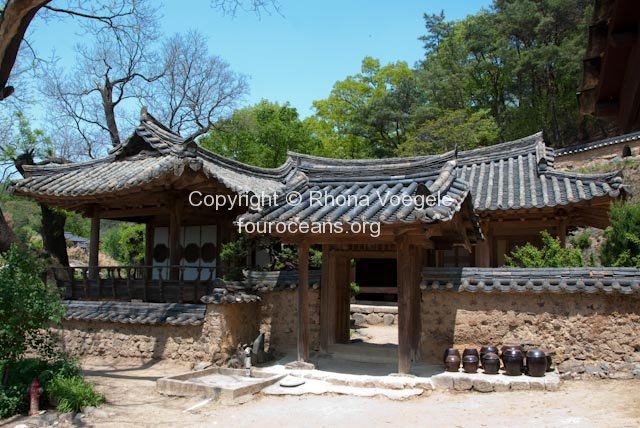
From the temple we headed to Andong where we found a room in a hotel that had pink mood lighting, condoms in the vending machine and business cards with scantily clad women adorning the walls and stairs. Nearby is Dosan Seowan and Hahoe Folk Village, both great daytrips from the main city. Founded in 1561 by a prominent scholar, Dosan Seowan was a Confucian academy where students lived and studied. Nestled among the trees in a narrow valley fronting a river there is a dormitory, a lecture hall, a shrine, a library and a printing place. The Hahoe Folk village is also a daytrip from town and we headed there today, braving the drizzle. Our first rainy day in Korea. Members of the Ryu family have lived in the bend of the Nakdong River for about 600 years in traditional thatch roof and tiled houses. Despite hundreds of years of history the museum at the entrance was almost entirely dedicated to a visit by Queen Elizabeth in 1999. Displays included a shovel that she used to plant a fir tree, a desk that she sat at and, confusingly, a fan that was presented to her. I particularly liked a plastic model of the feast of 47 16th century dishes that she was given on her birthday. The Queen apparently enjoyed her stay and commented “Andong is a futuristic city where traditions and culture are well preserved.”

Tomorrow we head to Jeongdongjin to visit a North Korean submarine and then Seoraksan National Park for some hiking.

Tags: , , , , , ,

Print This Post Print This Post
5
May

Week 6: Gyeongju

   Posted by: R   in South Korea, Travel

After leaving the bustling city of Busan we headed to Yeonhwa Island, off Tong Yeong. It’s a small island of fishermen and people who made money off the crowd of day trippers who seemed to arrive while we were out walking the island end to end. In the evenings it was nice and quiet as we enjoyed our first ondol room, underfloor heating that keeps the Koreans warm during the cold winter. On the boat out to the island we were a little confused as we had 2 tickets for one price and 1 for a more expensive price. A man explained to Brett (age 43) that he and my mum (age 61) had got the pensioner price for over 65s while I was paying the normal fare. I guess they have as much trouble guessing a Westerner’s age as we have with telling how old that smooth faced Asian grandfather is. On the island we spent the day walking from our village to the other end of the island via fantastic views of Yongmeori, a rock formation jutting out into the sea that is said to look like a dragon’s head.

From Yeonhwa island we headed north to Gyeongju, jewel in South Korea’s historical crown. It was the capital of the Shilla dynasty (57BC – 935AD), which is regarded as the dynasty that founded a unified Korea for the first time. We arrived and my mum immediately got very excited about the many tumuli, tombs of ancient kings and royal family members that are scattered around the city. To me they look like grassy hills which may or may not have really cool treasures buried underneath but I guess I’m not a connoisseur of tumuli… We visited the park which encloses some of the more impressive ones and saw a cross section with copies of some of the more impressive treasures unearthed. That was cool but we’re hoping to see the real things at the Gyeongju National Museum before we leave. As for the tumuli they seem to pop up all over town, between buildings and next to petrol stations.

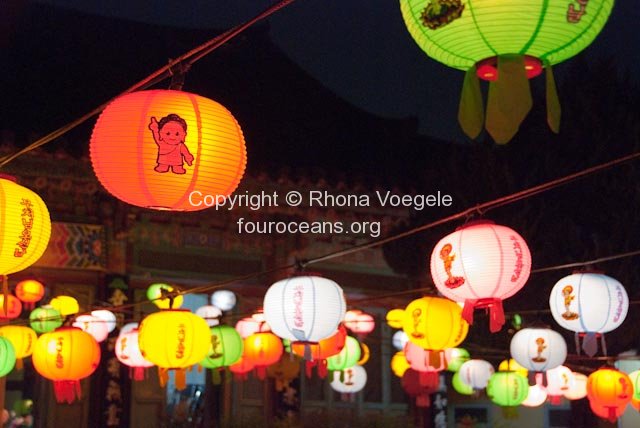
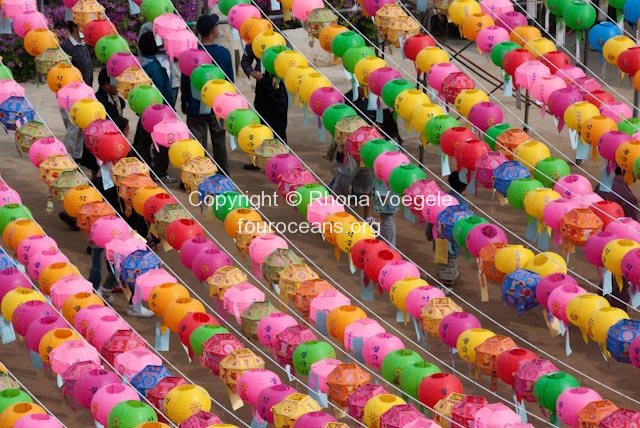
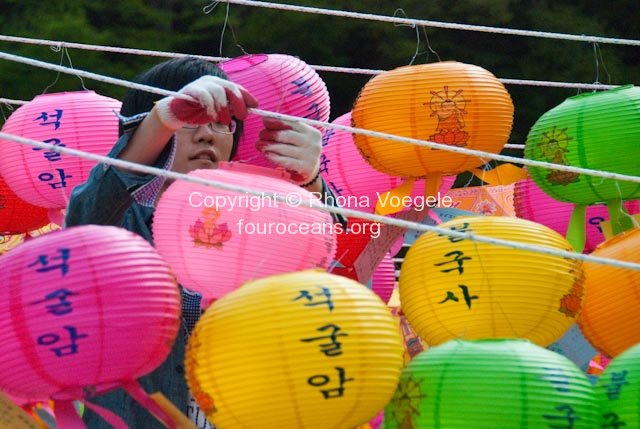
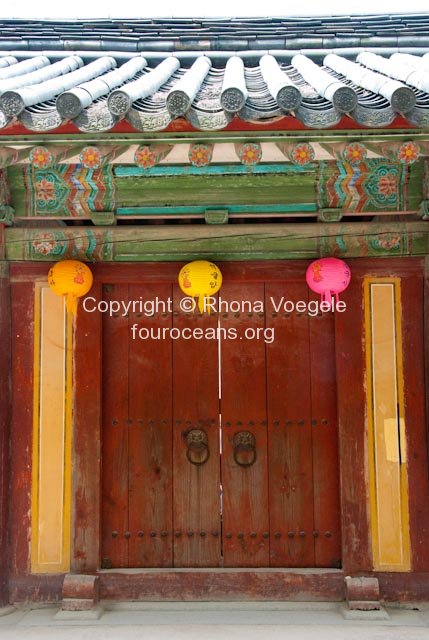
On our first full day in Gyeongju we headed to Bulguksa, a UNESCO world heritage site that was built in 751. Our visit coincided with Buddha’s birthday and we weren’t the only ones crowding our way into the temple that day. All along the path and in the open spaces around the ancient buildings coulourful lanterns were hung, paid for by worshipers who had donated money and whose prayers fluttered on pieces of paper hanging from the bottom of the lanterns. From there we walked to the Seokguram grotto, another UNESCO world heritage site constructed around the same time as Bulguksa temple. I could wax lyrical about the intricacey of the carving, the spiritual experience and the beam of light that shone from the Buddha’s head when I realised the meaning of life. It would all be a complete lie. We were hurried through the enclosed space and i was twice told off for being too slow. There were too many people waiting behind me to allow me to smell the lotus petals.

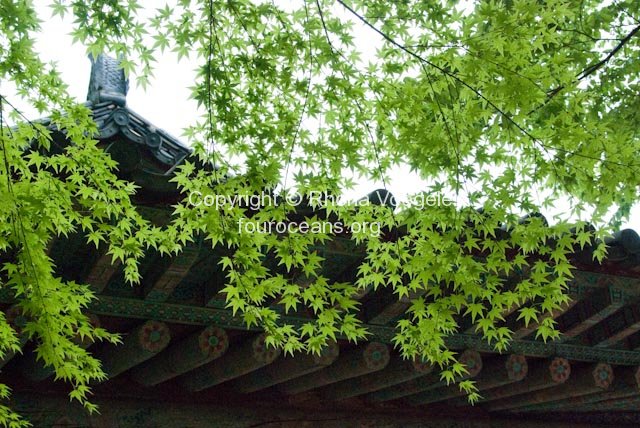
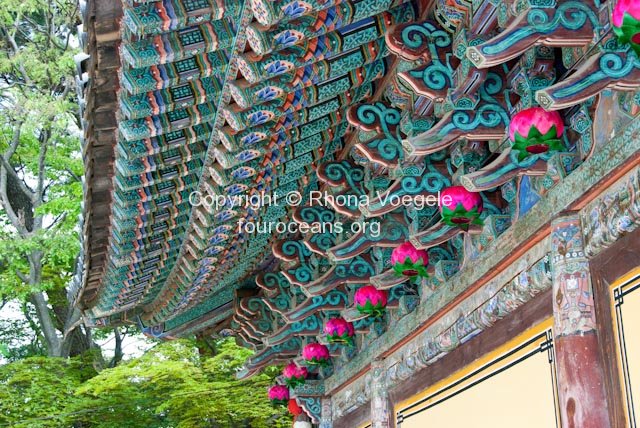
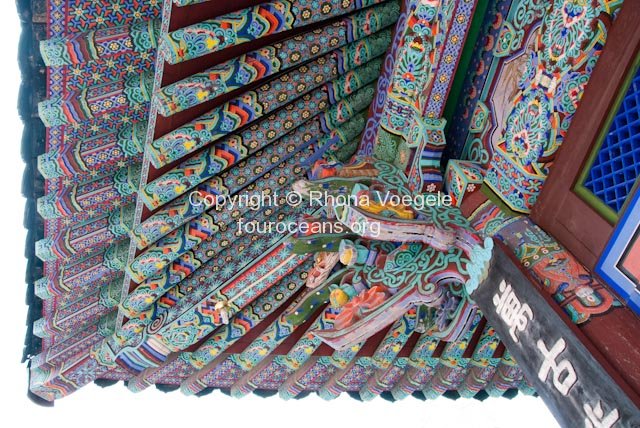
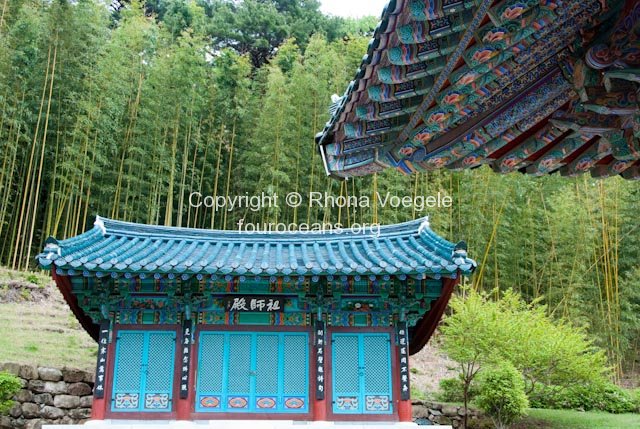
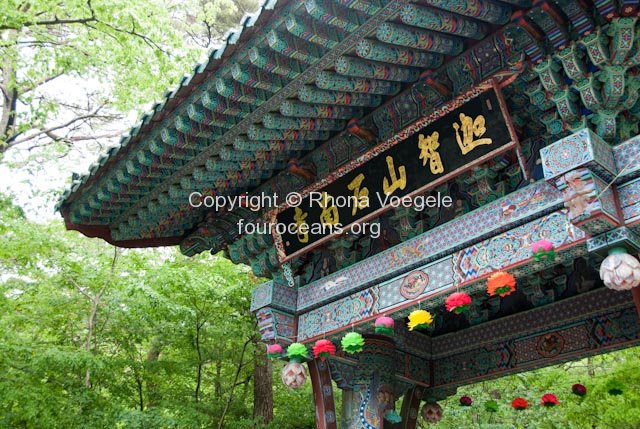
The next day we went to Seongnamsa, another temple. Compared to Buddha’s birthday crowds it was blissfully quiet and we enjoyed the forest setting, bamboo forest backdrop and the amazingly colourful and intricate painting that seems to adorn the roofs of Korean temples. In the brochure it mentions a three storied stupa that was

“built by Master Toui in order to defend the fatherland. It was destroyed during the Japanese invasion of Korea (1592)”

I guess maybe it didn’t work so well? Mind you the Japanese were eventually defeated so there could have been something to it?

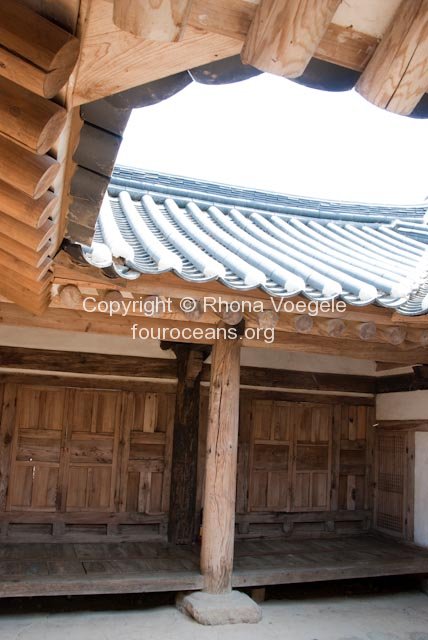
Yesterday we headed outside town to a village called Yangdong. It was founded in the 15th century and has always been a village of scholars and landowners. There are over 160 thatched roof and traditional tile roof houses in the village and most are still lived in today. Traditionally the tiled roof houses were where the landlords lived while the thatch roof houses were for their servants. You can go inside the buildings that aren’t lived in and it was great to be able to explore the fantastic old wooden mansions. We spent almost all day exploring the various valleys the village is based around. There are 4 valleys forming the Chinese character for “not” and during the Japanese occupation the villagers managed to divert a nearby railway away from the base of the valleys. The addition of that railway would have made the character for “blood”.

Today we hiked in Namsan, a mountainous area to the south of Gyeongju. Which is why it’s called Namsan – “nam” is south and “san” is mountain. It was a full day’s hike with historical relics galore. The Shilla dynasty lasted almost 1,000 years and we saw more tumuli as well as many Buddhist carvings and stupas. Near the end of the walk at Chilbulam hermitage we spoke for quite a while to a nun about her life in the mountains and how Korean Buddhism differs from the Buddhism Brett and I have seen in other countries. Traditionally nuns and monks wake up at 3:30am but the 3 nuns there have agreed to rise later, at 4:45 every morning, as they need to be awake enough to serve tea and coffee to all the hikers passing through. They chant for an hour 3 times a day as well as several sessions of seated meditation. Then there’s practicalities like having to hike down to collect water and the fact that they can’t do laundry or wash properly up on the mountain. To do laundry or shower they walk to the closest town, 30 minutes down the hill. While we were talking there was a Hungarian nun chanting, she has apparently been a nun for 7 years and speaks fantastic Korean.

We plan on spending another few days in Gyeongju. It’s hard to believe some people only give it a couple of days if the 1 and 2 day suggested itineraries are to be believed. From here we hope to spend a night in Haeinsa temple (rising at 3:30am) and some time checking out Daegu’s traditional medicine market. Then some time in Andong, a new addition to our itinerary that looks like a very traditional and rural area.

Tags: , , , , ,

Print This Post Print This Post
28
Apr

Week 5: Bibimbap in Busan

   Posted by: R   in South Korea, Travel

We left Tokyo on a 33 hour ferry to Kita Kyushu in Western Japan. Combined with the ferry from Shimonoseki to Busan it was the cheapest way to get to Korea without taking a flight, and to be honest we both really enjoyed the trip. It was great to kick back, read and have an excuse to do not very much at all. And of course there were onboard attractions such as the sushi vending machine (came out frozen and needed to be heated in the microwave), the public bath (like sitting in a wave machine), the pachinko machines, all sorts of new and exciting vending machine fare and the novelty of leaving the Tokyo-Yokohama metropolis by ferry. It was much less gut wrenching for me to pull away slowly than zoom off at high speed in a plane. As the psychedelic Odaiba ferris wheel and the red lights flashing on buildings for the safety of planes going to Haneda airport faded into the distance we retreated into our warm cabin.

At Shimonoseki port we watched Koreans arrive and tried to get a feel for what type of people inhabited the new and exciting country we were headed to next. Bottled water, pot noodles and alcohol were major components of their baggage and they seemed louder than Japanese. In some indescribable way they were earthier, oh and the massive visors and short curly hair that I’ve always associated with middle aged Korean women seemed to still be the fashion.

On arrival at Busan port there was no hassle whatsoever, visitor information was helpful and we found our way to the subway and hotel easily enough. My mum joined us later that night and will be travelling with us for 3-4 weeks. In general it has been incredibly easy to get around and people have been as helpful as they can given we speak not a word of their language. So far we’ve mastered “thank you” and “hello” though I keep having mental blanks at crucial moments and looking like a fish grabbing for food in my attempt to speak.

Speaking of fish, we visited the Jagalchi fish market here in Busan, the largest one in Korea. It was a massive sprawl of small stalls and indoor market with seafood of all varieties. A friend of mine once called Tsukiji fish market in Tokyo “fish hell” and I’d say Jagalchi would up there on the horror scale if I happened to be seafood. We saw an octopus making a break for it as the shopkeeper’s back was turned and, being Australian, I rooted for the little guy. Only when he was about to cross the street and get run over did I tap the lady on the shoulder and point out that her merchandise was, quite literally, running out the door.

On our first day in Busan we headed to a baseball game and watched the local Lotte Giants play we’re not sure who. I like going to baseball games despite only having a passing interest in the sport itself. It’s a cool way to see normal people hanging out and having fun and some of my favourite memories of Hiroshima in Japan are from watching the Hiroshima Carp play. As an aside: could they have chosen a less menacing team name? I know it’s historical and all that but carp? Personally I’d like to name a team the earthworms. Just imagine the fear that would invoke in rivals… Food at the game was quite different to what you might expect at an American baseball game: there was sushi, truckloads of whole rotisserie chickens, soju (local firewater), whole dried squid and tofu skewers. The best marketing ploy we saw was a man in a chicken head and carrying a rubber chicken selling fried chicken. Vendors seemed to be older than I’d expect – plenty of middle aged men and women in jobs I usually associate with students. The Jagalchi fish market also seemed to be staffed by almost exclusively middle aged women, are the students actually busy studying?

Today we headed to the north of Busan for a great day hike from Beomeosa temple to Mandeok subway station. Both Beomeosa and Seokbulsa temples had lanterns hung out in preparation for the Buddha’s birthday celebrations in early May and they made the already beautiful temples even more colourful. Beomeosa was hidden amongst the trees and seemed to have a lot of followers; again most of them middle aged women, who walked around bowing respectfully to statues and chanting with the monks. Seokbulsa was a much smaller temple, hidden in a cleft between two cliffs adorned with huge carvings of Buddhist figures.

Tomorrow we’re headed out to Yeonhwa island, a speck of land south of Tongyeong and then up to Gyeongju for some serious UNESCO world heritage viewing.

Tags: , , , ,

Print This Post Print This Post
22
Apr

Week 4: Not a proper post

   Posted by: R   in Japan, Travel

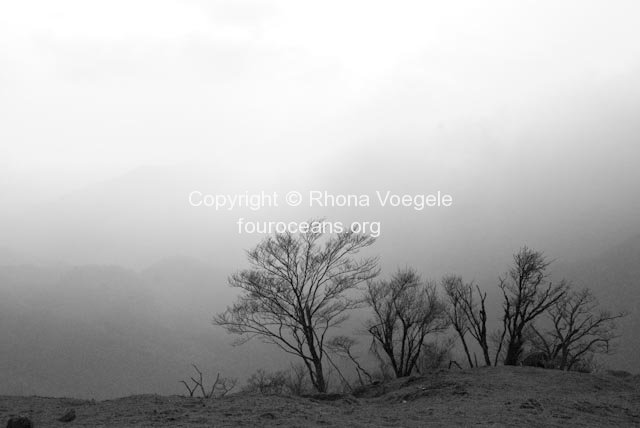
Already i’ve failed to keep up to date on my postings, not even a month in to our big trip and i’m already late! I have an excuse though, i’ve been without my laptop for the past half week or so because Brett and I headed off to do the Tanzawa traverse near Mt Fuji. It was a 2 day hike which involved altogether to many ups and downs for my liking. The trail builders seemed to do their best (bless their hearts) to get us to the top of every mountain they possibly could, not even bypassing the totally bypassable nameless bumps to save our legs for the ones worth summiting. So my blogging has suffered as much as my calves (and knees and quads).

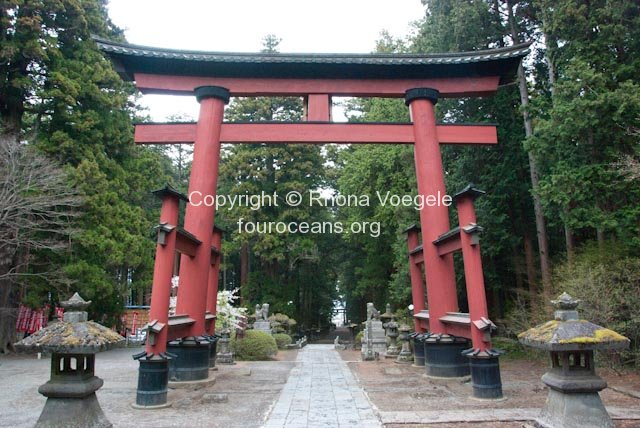
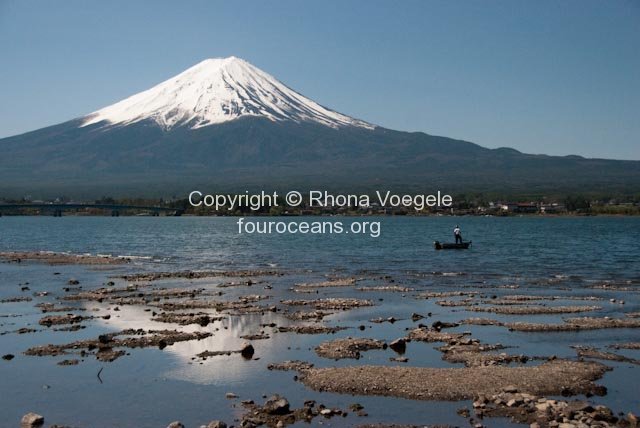
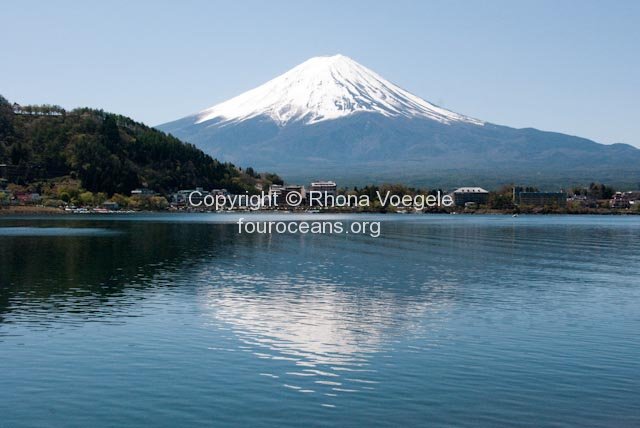
We then spent the last few days in the Fuji 5 lakes area, staying at our favourite guesthouse in Fuji Yoshida and one night at the Kawaguchiko youth hostel. Described in the Lonely Planet as “somewhat regimented” it still sounded doable, but then we didn’t expect to be blasted awake at 6:45am with very loud classical music. Once they’d established that everyone (all 5 or so guests) were awake and out of bed they turned it off, but for a while there it was deafening. Odd. Thankfully we were still on hiking time so had had plenty of sleep. At the mountain hut the night before I asked what time breakfast was and must have looked somewhat stunned when the man told me 5am. He gently added that it was “from” 5am. We were up anyway. 

Apart from that our time in Tokyo has been rather mundane, picking up visas (Brett, China), getting new passports (me, Australian, Mrs Voegele reporting for duty), catching up with people and stopping in at our favourite eateries. To Die For Chocolate Cake from the place in Nippori near where I used to live, endless skewers at Piss Alley and some nostalgic drinks in the Golden Gai. It’ll certainly be hard to say goodbye to Tokyo and Japan when we get on the ferry for South Korea.

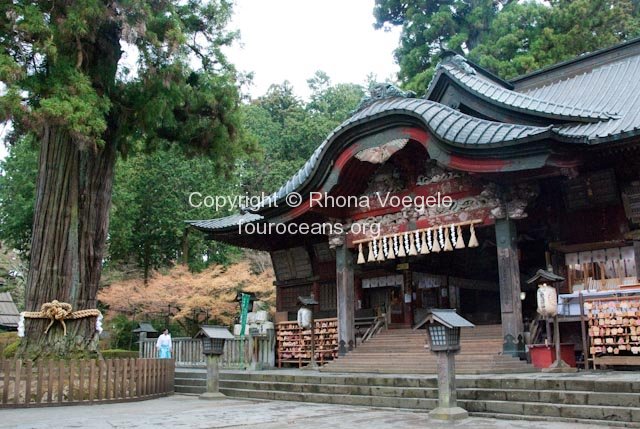
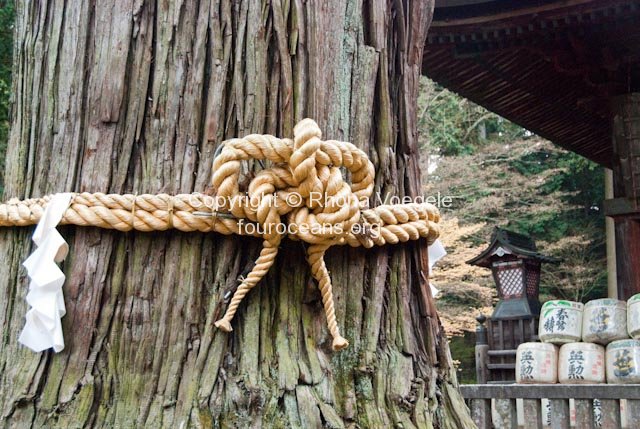
Tonight I presented at the 61st Pecha Kucha night in Tokyo, a great night of creative presenters from all sorts of different fields. In the slideshow/gallery are the 20 photos I presented as well as a few from the past week. I haven’t taken many though so it’s slim pickings for weekly photos. Hopefully more when we get to Korea.

Tags: , , , , , , ,